
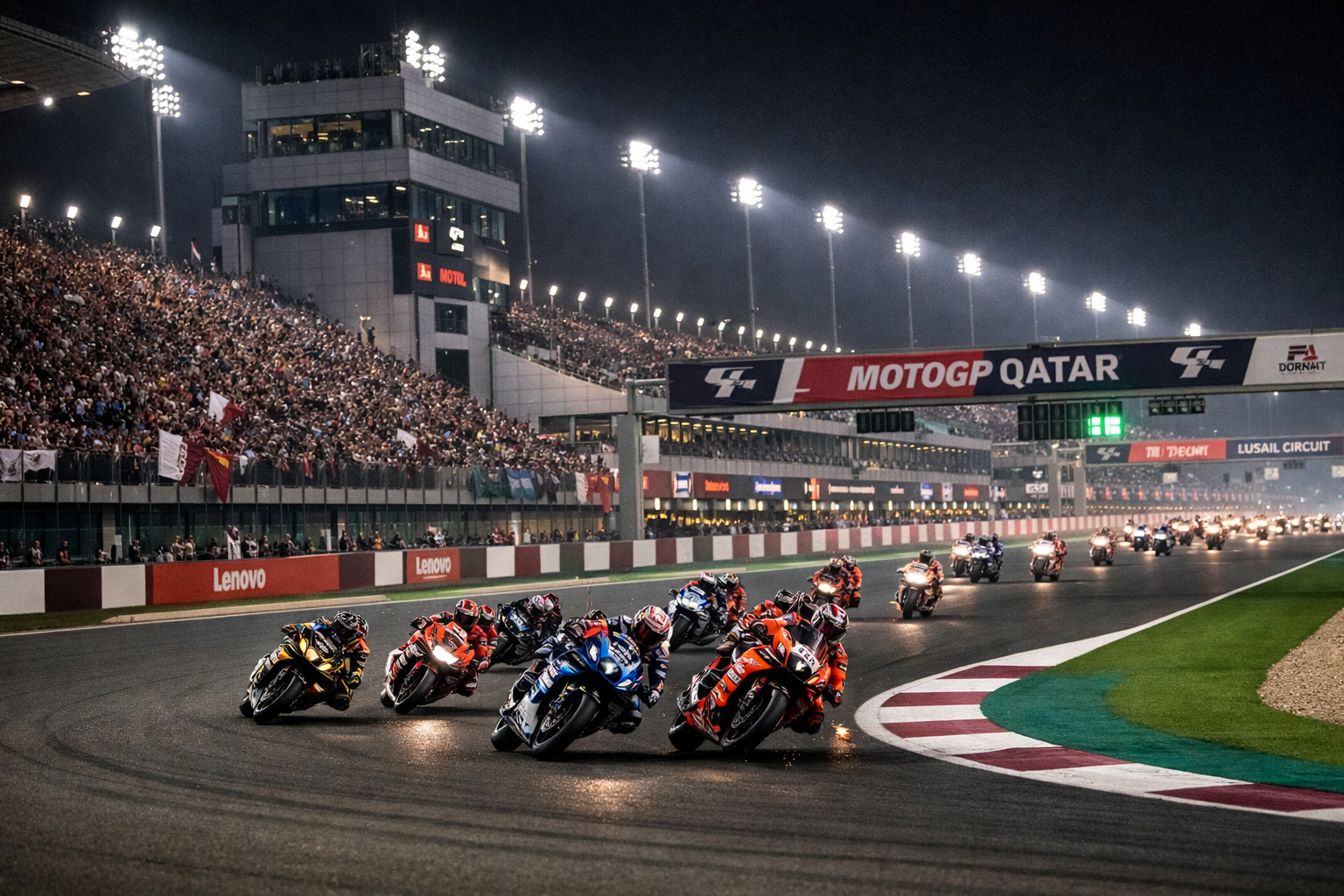
February 28, 2026—The actual opening of the 2026 MotoGP season has been faster than engines; it has fueled the economic engine and enhanced the mode of global tourism across the host countries. This is because as the greatest motorcycle racing championship in the world and under the responsibility of the Fédération Internationale de Motocyclisme (FIM) and commercial rights holder Dorna Sports, MotoGP is capable of producing positive contributions that are manifested on an immensely large scale beyond the racetrack.
The Qatar Grand Prix, which was the first event of the season at the Lusail International Circuit, attracted tens of thousands of international spectators as well as millions of international viewers. This occasion led to the commencement of a twenty-one-round global championship cutting across continents, making host cities the center of global sporting focus.
Economic Development Gathers Performance in Host Regions
Direct Revenue Generation
It is estimated that the 2026 season will have over 2.5 million live audiences in the world, with hundreds of millions being spent directly by visitors on hospitality, transport, retail, and entertainment sectors. Doha hotels were almost fully occupied during the race week, and airlines also showed tremendous growth in the sort of inbound traffic.
MotoGP has an impact on tourism, which is lasting as opposed to numerous other short events. International fans tend to come early or stay after race weekend so as to see the local landmarks, restaurants, and shopping areas. This increased visitor base is an advantage to small and mid-sized enterprises and enhances the contribution to GDP in the region.
Job and Investment in Infrastructure
The championship generates thousands of employment opportunities in the event management, broadcasting, logistics, security, and tourism services. New city investments often include upgrades in transport infrastructure, airport upgrades, digital connectivity, and modernization of the venue in anticipation of hosting responsibilities. This is a development with many long-lasting advantages even after the race weekend is over that makes every city attractive to global events in the future.
Destination Branding and Tourism Visibility
Global Broadcast Reach
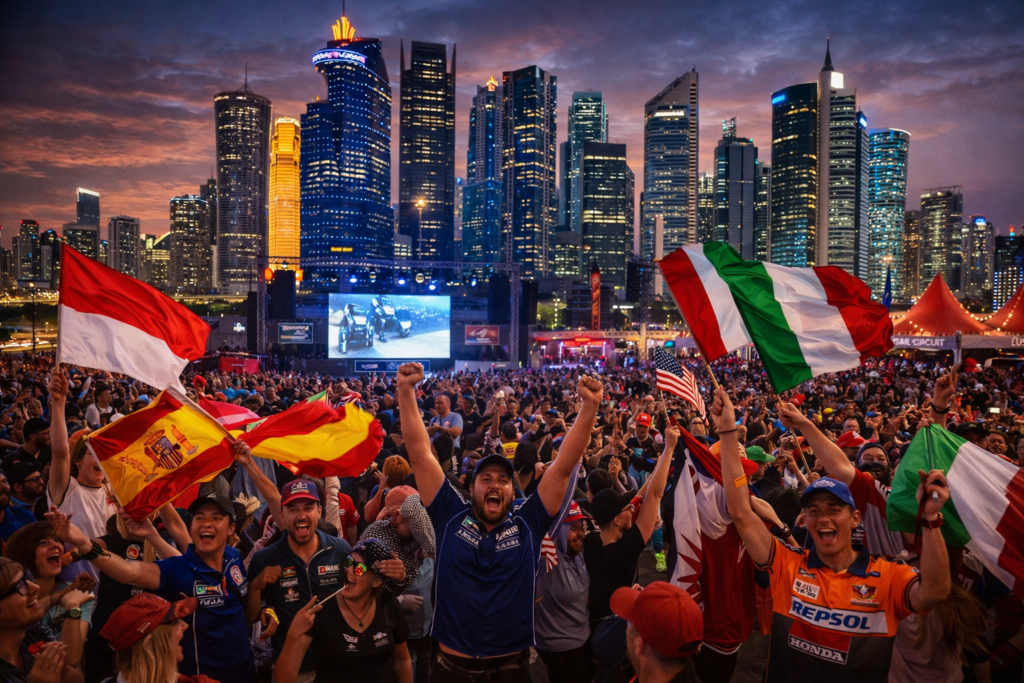
The broadcast media coverage of MotoGP extends into more than 200 countries, providing the host cities with a strong destination marketing presence. The use of high-definition aerial shots and combined cultural aspects is used to showcase the coastal areas and architectural and food experiences, effectively turning every race into a global tourism experience.
The 2026 season has also brought on board more destination-storytelling segments in broadcasts, giving tourism boards the opportunity to market heritage attractions and lifestyle experiences to millions of would-be travelers around the planet.
Tourism Partnerships
Strategic tourism partnerships are arrangements between two or more organizations that collaborate to achieve specific tourism objectives (Bird, 2007).
Partnerships are agreements between two or more organizations to cooperate in the achievement of particular tourism purposes (Bird, 2007).
Cooperation between the organizers of MotoGP and national tourism authorities has grown this year. Premeditated marketing integrates online advertisements, fan travel experiences, and cultural festivals with race weekends. Such collaborations make MotoGP a major anchor event in the wider national tourism plans, attracting the desire to visit again and establishing brand recognition in the world market.
Sustainability and Responsible Expansion
Sustainability continues to be a core aspect of the expansion plan of the championship under FIM rules and Dorna Sports programs. To this day, the 2026 season still carries out sustainable fuel initiatives, optimizes global freight logistics, minimizes paddock waste, and increases the use of renewable energy at circuits.
The actions are indicative of a wider shift in the industry towards responsible sporting events, which are in line with the requirements of the contemporary traveler and conscious of the environmental sponsor. Host destinations enjoy the advantage of implementing the best global practices that make them regarded as successful tourism destinations.
Corporate Impact and Commercial Investment
The multinational partners of MotoGP are in various automotive, technological, financial, and lifestyle domains because of its global audience. The launch of 2026 came with new sponsorship deals that increased commercial investment in the economy of host countries.
The concept of corporate engagement goes beyond conventional branding. Business tourism and high-value travel are fueled by business hospitality programs, executive networking platforms, and experiential marketing activations. Such corporate presence will be able to create more hotel bookings, fine dining income, and transportation needs in race cities.
Community and Long-Term Legacy
In addition to the economic indicators, MotoGP promotes local participation in terms of youth development, road safety campaigns, and educational workshops that are based on STEM and have references to motorsport engineering. Such programs have the effect of making the championship leave a positive social imprint on communities that host it.
Past statistics show that the majority of people who visit the race as first-time witnesses of the MotoGP are likely to repeat the leisure tourism within two years, highlighting the long-term impact of the event on tourism. After successful race weekends, host cities always report high international brand awareness and off-season travel inquiries.
Leadership Statement
During the launch of the season, Carmelo Ezpeleta, the CEO of Dorna Sports, stressed that the vision of MotoGP is to understand how to maintain an elite competition and be economically relevant.
He said that our mission was to bring world-class racing and create real value to the countries and communities that host us.
The 2026 MotoGP season will become another record in the impact on the world economy and tourism due to good ticket sales rates, high projections of record-breaking digital engagement, and increasing international collaborations.
Frequently Asked Questions (FAQs)
What are the economic gains of the host city economies through MotoGP?
MotoGP generates more tourism expenditure, higher hotel occupancy, creations of employment, and retail and transportation segments during race events.
What number of regions belong to the 2026 season?
The world championship takes place on five continents, and over 20 race rounds are planned all year round.
Is MotoGP sustainable in its events?
Yes, the 2026 season would include the use of sustainable fuels, optimization of logistics, renewable energy, and programs aimed at waste reduction.
What is the impact of the event in promoting tourism in the world?
The culture, attractions, and travel experiences of the host cities are marketed and presented to the global audience through international broadcast coverage and marketing campaigns.
What are the benefits of host cities in the long term?
The infrastructure development, enhanced international exposure, recurrent tourism, and enhanced future international event positioning are all beneficial to the cities.